
Helen Douglas Mankin; Loblolly Pine
Materials: Pine, cotton fabric, remnants of clothing from: women’s wool suit, wedding dress, linen tablecloth, buttons and ribbons, hanger, wax, thread, ink. Iron, onion, marigold, pine bark, and synthetic dyes, plexiglass. Sources: Helen’s own accounts of her westward journey by automobile in her beloved “Maxwell” as appearing in the Atlanta Georgian between May and November 1922. Various excerpts from interviews from Helen researched and found in the book: The Belle of Ashby Street, Helen Douglas Mankin and Georgia Politics, by Lorraine Nelson Spritzer.
Details
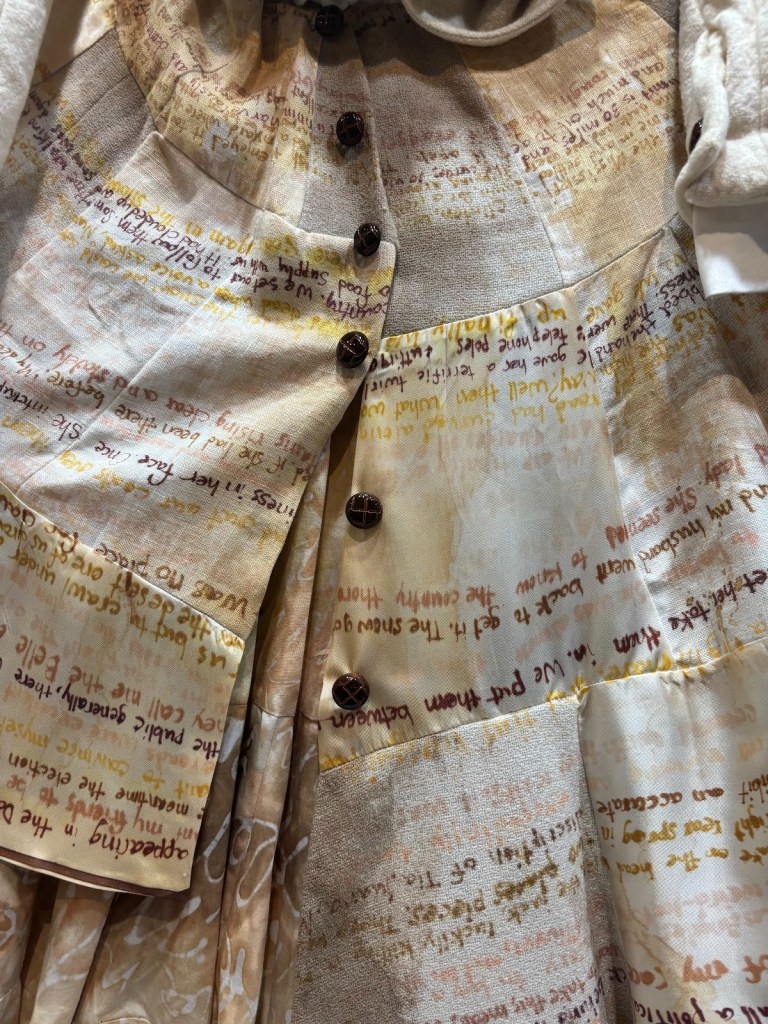
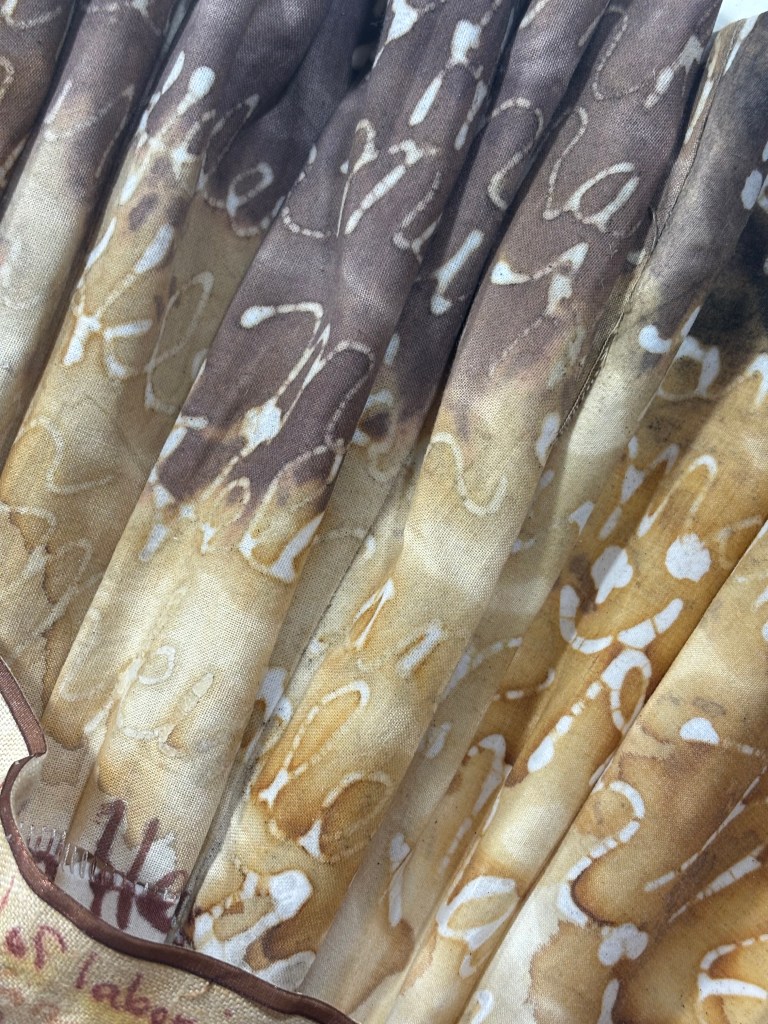
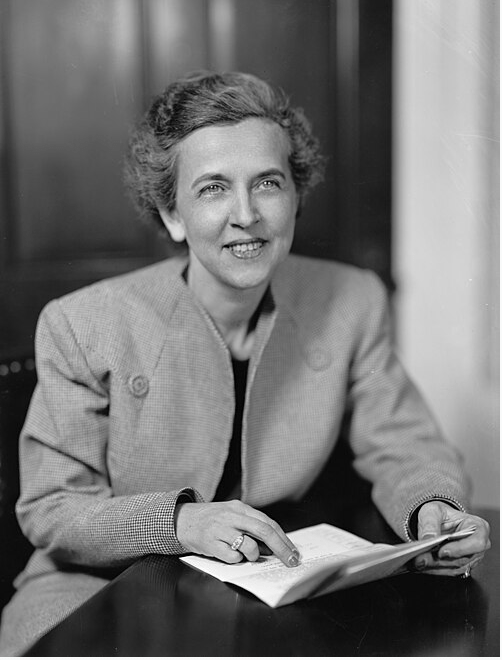
Helen Douglas Mankin was a politician, lawyer, wartime ambulance driver, thrill seeker, and explorer. She was the second woman from Georgia elected to the United States Congress. She was among Georgia’s first women attorneys-at-law. She and her sister, Jean, trekked across the North American Continent in her beloved Maxwell automobile, setting the 1922 touring record for women drivers. She was the second wife to Guy Mankin, and the step mother to his son by the same name; two men rallied around her as she ran for public office. Helen never felt like the weaker sex and was never threatened by traditional gender roles. She believed in pushing boundaries in politics, her employment, and her adventures. She was fearless in doing all things. She was a force to be reckoned with. She was an advocate for the working class and black community.
At the outset of her political career, Helen Mankin bought one suit for each campaign and wore it every day, for luck. This work represents one of those dresses: full of wear from a life of service and adventure. The suitcoat in this artwork is worn, tarnished with iron, pine, onion, and flower dyes. A corsage is pinned to the lapel. The dress is made from clothing remnants from local thrift stores: a woman’s wool suit, a wedding dress, a linen table cloth, cotton fabric, buttons, ribbon, hanger. Encircling the rings of the outer skirt are excerpts from Helen’s life. The lines come from her road trip with her sister across the North American continent in 1922, as recorded in various newspapers throughout the United States. After seeing much of the world (including her service in World War 1) she felt beckoned home to Atlanta, to be surrounded by her beloved loblolly pines. The rings of text in the dress continue with words from her time as a US Congresswoman and her battle for reelection in 1948.
The bottom layer of Helen’s skirt is made from simple cotton cloth. This skirt is full and tightly ruffled. Helen was elected to congress through overwhelming support from the black community. Although she won a large majority of the vote, she was taken from office through a racist-era voting system rule. This essentially silenced all of the votes cast for her. In this simple underskirt, wax words resist the rust dye, which reveals Helen Mankin’s name over and over again –written in, and counted out– echoing the black vote, the silenced majority. This underskirt upholds the dress, as the voters uphold their representatives, but it is also hides the votes cast and thrown away by a racist system. Her skirt opens, as the dress tries to reveal their muted voices.
 Sara Lynne Lindsay